You spent all day on the trail. Your legs are cooked, your pack finally feels light, and the campsite is exactly where you want to be. The last thing you need is to lie awake at 2 AM on lumpy ground, too cold, too hot, or listening to every snap and rustle in the dark.
Sleeping well in a tent isn’t complicated, but it does take a little planning. Get a few things right before you leave the house and you’ll sleep as well out there as you do at home — sometimes better. Here are the twelve things that actually make the difference.
Choose the Right Tent for Comfortable Camping Sleep
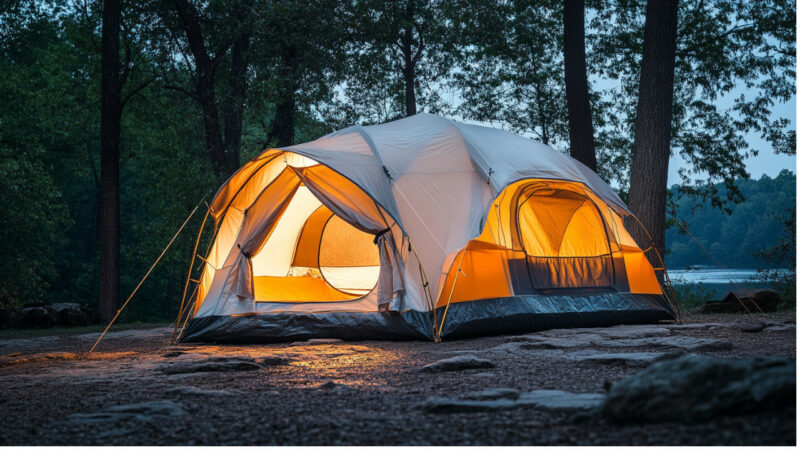
Tent size is the first place people get this wrong. The person rating on any tent is the maximum number of bodies that can physically fit on the floor — not the number of people who can sleep there comfortably with gear, without elbowing each other all night. If you’re camping with a family of three or four, get a six or eight-person tent. The extra space isn’t a luxury, it’s what keeps everyone from hating each other by morning.
Ventilation matters more than most people think, especially in the PNW where cool nights mean condensation collects fast. Look for mesh panels, roof vents, or windows you can crack without letting rain in. A tent that breathes keeps moisture down and temperature stable — two things that directly affect how well you sleep.
One more thing worth the small added cost: a tent footprint or ground cloth. It goes under your tent, protects the floor from rocks and moisture, and adds a thin but meaningful layer of insulation between you and the ground.
Remember that when a tent company puts a person rating on a tent, that is the maximum number of people that can lay on the floor and sleep. That number is usually significantly higher than how many of people can sleep in that tent comfortably.
My suggestion is for a family of 3-4 to get a 6 or 8 man tent. This will give you room to move around and be comfortable.
Ventilation is another key point to consider. Find tents that have mesh panels, windows, or vents. These features allow air to flow through and stop moisture from gathering, especially in warmer weather. Good ventilation keeps the internal space cool and comfortable at night.
It’s also wise to buy a tent footprint or ground cloth. This layer goes under your tent to protect it from moisture, dirt, and sharp items. It can help your tent last longer and provide better insulation.
Pick a Quality Sleeping Pad or Air Mattress for Comfort
What’s between you and the ground is probably the single biggest factor in how well you sleep in a tent. A bad sleeping surface means a bad night, full stop.
Air mattresses and foam pads both have their place. Air mattresses feel closer to a real bed and are the go-to for car campers who have the trunk space. Foam pads are lighter and more packable but offer minimal cushioning — they’re really there for insulation more than comfort. One trick that works surprisingly well: layer a basic foam pad under an air mattress and you get both insulation and cushioning without choosing between them.
One thing worth knowing if you’re shopping: R-value is the number that tells you how well a pad insulates against cold ground. The higher the number, the warmer you’ll sleep. In the PNW where nights get cold even in summer, don’t cheap out on R-value.
If you’re over 40 and your hips and back have started filing formal complaints about sleeping on the ground, we’ve got a full breakdown of the sleep setups that actually work — from thick self-inflating pads to camping cots and beyond. Worth a read before your next trip.
Not a Floor Person? Try a Cot
For some people no sleeping pad or air mattress is going to cut it — getting up and down off the ground is half the problem. If that’s you, a camping cot is worth serious consideration. A basic army-style cot keeps you elevated and gives your back a fighting chance. Step up to an inflatable cot and you’re getting close to actual bed territory.
If you go the basic cot route, put a sleeping pad or mattress pad on top of it. A cot alone leaves cold air circulating underneath you all night, which will surprise you in a bad way even on mild evenings.
Top Sleeping Bag Picks for Comfortable Camping
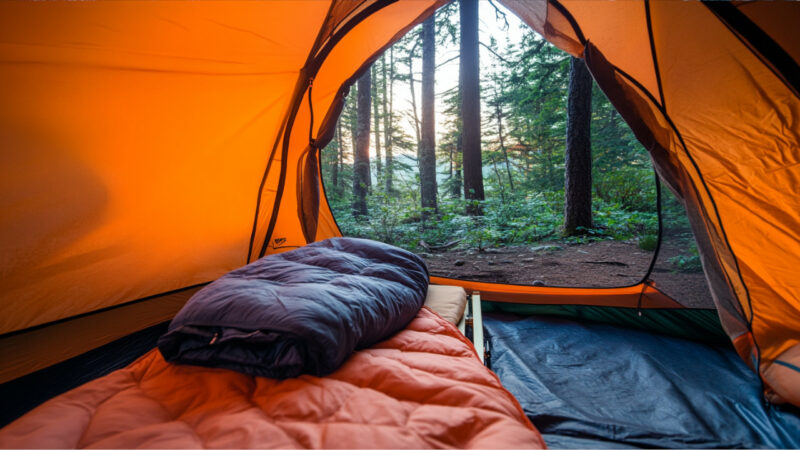
A good sleeping bag is just as important as your tent. The main spec to pay attention to is the temperature rating — pick one rated lower than the coldest night you expect to camp in, not right at it. If you’re a cold sleeper, go lower still. You can always unzip to cool down. You can’t manufacture warmth a bag wasn’t designed to provide.
Shape matters too. Mummy bags are warmer and more efficient but feel like a straitjacket to some people. Rectangular bags give you room to move but lose heat faster. If you’re car camping and weight isn’t an issue, comfort usually wins.
A sleeping bag liner is worth throwing in your kit regardless of conditions. In cold weather it adds meaningful warmth. In warm weather a lightweight cooling liner made from moisture-wicking fabric keeps you from sticking to the inside of your bag all night.
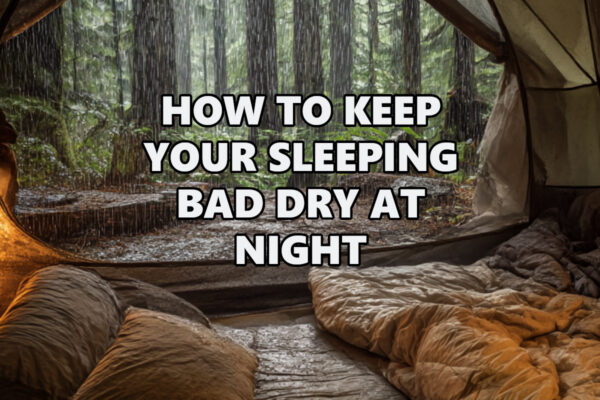
One thing PNW campers learn the hard way: a wet sleeping bag is not just uncomfortable, it’s a safety issue. Wet insulation — especially down — loses most of its ability to keep you warm right when you need it most. We’ve got a full guide on how to keep your sleeping bag dry in a wet tent that’s worth reading before any trip where rain is in the forecast. Which in the PNW is basically always.
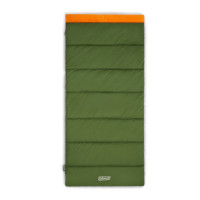
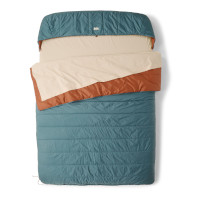
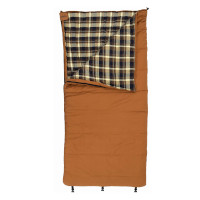
Some Good Sleeping Bag Options
Why a Comfortable Pillow Boosts Tent Sleep Quality
People pack meticulously for camping and then completely forget about their pillow until they’re already in the sleeping bag staring at a stuff sack full of fleece wondering why their neck hurts.
An inflatable camping pillow is the easy answer — lightweight, packable, and you can dial in the firmness by adjusting how much air you put in. They’re not quite as good as your pillow at home but they’re close enough that you won’t notice after a long day on the trail.
If you forget yours or don’t want to bother, stuffing a stuff sack with soft layers works as a decent backup. It’s not glamorous but it gets the job done.
Either way, don’t skip it. Your neck and spine don’t take a night off just because you’re camping.
Bringing your own pillow from home might feel cozy, but it isn’t always easy when you are camping.
Inflatable pillows are a smart choice for this situation. They are lightweight and easy to pack. You can even adjust how much air you put in so it feels just right. If you don’t have an inflatable pillow, filling a stuff sack with soft clothes can work as a temporary pillow.
Proper support for your head and neck is important no matter where you sleep, even in a tent. A good pillow helps keep your spine aligned. This reduces strain on your body and helps you sleep better. That way, you can enjoy the fresh air and peaceful sounds of nature.
Earplugs and Eye Masks for Uninterrupted Tent Sleep
The sounds of nature are great — until it’s a raccoon investigating your cooler at midnight or the family three sites over who apparently brought a Bluetooth speaker and no self-awareness. Earplugs weigh nothing and take up zero space. There’s no reason not to have a pair in your kit.
Same goes for an eye mask. The PNW gives you long summer days, which means light coming through your tent walls at 5 AM whether you’re ready for it or not. An eye mask is a $10 fix for a problem that will otherwise wake you up an hour earlier than you wanted every single morning of your trip.
Both items together fit in a sandwich bag. Pack them and forget about them until you need them — and you will need them eventually.
Find a Flat Campsite for Better Tent Sleep
Before you do anything else at camp, walk the site and find the flattest ground available. It sounds obvious until you’ve woken up at 3 AM slowly sliding toward the low end of your tent wondering how you missed a slope that now feels like a ski hill.
Clear the ground before you set up. Sticks, pine cones, and pebbles feel completely harmless when you’re standing on them in boots. They feel like boulders when you’re lying on top of them in a sleeping bag for eight hours. Take two minutes to clear the area and you’ll sleep dramatically better.
If you’re on hard or uneven ground, an extra layer under your sleeping pad — even just a basic foam pad — smooths out the bumps and adds insulation at the same time.
Dress in Layers for Warm, Cozy Tent Sleep
What you wear to bed matters more than most people expect. The goal is layers you can add or shed without fully waking up at 2 AM when the temperature drops.
Start with a moisture-wicking base layer — merino wool is the gold standard for camping because it regulates temperature in both directions and doesn’t get funky after a night of wear. Synthetic fabrics work too. What you want to avoid is cotton. Cotton holds moisture against your skin, and once it’s damp it stops insulating entirely. In the PNW where nights get cold and damp even in summer, cotton base layers are how you end up miserable by midnight.
Add a mid layer — fleece or a light wool sweater — for nights where the temperature is going to drop meaningfully. Keep an insulated jacket within reach if you’re in the mountains or camping in shoulder season.
One more thing: cover your head. Your body loses heat fast through your head and most people don’t think about it until they’re already cold. A lightweight wool beanie takes up almost no space and makes a bigger difference than you’d expect.
Keep Feet Warm with Cozy Socks for Better Sleep
Cold feet will keep you awake longer than almost anything else. Your body prioritizes keeping your core warm when temperatures drop, which means your feet are often the first thing to get sacrificed. Once they’re cold, falling asleep becomes a project.
The fix is embarrassingly simple: wear socks to bed. Wool or fleece, something with actual loft to it. Not the cotton ankle socks you wore hiking all day — fresh, dry, warm socks you put on specifically for sleeping.
If you’re already cold and need a faster solution, fill a water bottle with hot water and tuck it into the bottom of your sleeping bag before you get in. By the time you’re settled it’ll have warmed the whole bag and your feet will thank you for it.
Bring Extra Blankets for Cozy Cold-Weather Camping
Even on trips where the forecast looks reasonable, pack an extra layer of bedding. Temperatures in the PNW can drop fast — especially at elevation — and being caught without enough warmth at midnight is a miserable way to spend the next six hours.
A wool blanket is my go-to. Wool stays warm even when it gets damp, it doesn’t smell after a few nights of use, and it pulls double duty as a camp blanket during the day. I keep a Wooley Mammoth wool blanket permanently stashed in Leif — even that single extra layer makes a noticeable difference on nights that dip into the low 30s.
The math is simple: an extra blanket takes up maybe a third of your trunk space and adds zero weight to your pack since you’re car camping anyway. The cost of leaving it home is potentially your worst night of sleep of the entire trip.
Taking the Chill Off: Portable Propane Heaters
A good sleeping bag and the right layers will get you through most cold nights. But sometimes you just want to take the edge off before you crawl out of your sleeping bag at 6 AM and face a 38°F morning in your camp clothes.
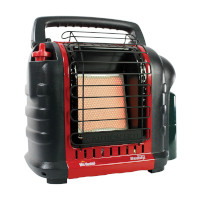
That’s where a portable propane heater earns its keep. I’ve got a Mr. Heater Portable Buddy in Leif that’s been on more trips than I can count. It’s compact, lights instantly, and does a solid job warming up the van or even a medium-sized tent without taking up much space. Run it for twenty minutes before you get up, and suddenly getting dressed doesn’t feel like a punishment.
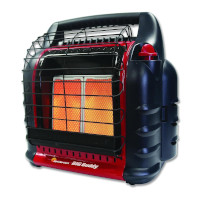
For larger tents or base camp setups, step up to the Mr. Heater Big Buddy. I’ve used one on fishing trips over in Montana where mornings get genuinely brutal — being able to roll over, click it on, and lie there for half an hour while the tent warms up before you get dressed is one of those small luxuries that makes a big difference on a multi-day trip.
One rule with any propane heater in a tent or van: always crack a vent. These units have low-oxygen shutoff sensors built in as a safety feature, but good ventilation is non-negotiable regardless.
Best Portable Propane Heaters for Cozy Tent Camping
Keeping Your Tent Cool at Night
Heat is just as much a sleep killer as cold, and it’s arguably harder to fix once you’re already in your sleeping bag at midnight wondering why you thought a July camping trip was a good idea.
The first line of defense is airflow. Set your tent up in a shaded spot if you can, open every vent and mesh panel before you go to bed, and if you have a battery-operated fan bring it. A fan won’t drop the temperature but it makes moving air feel dramatically cooler than still air and can mean the difference between miserable and manageable on a warm night.
The next step up is a evaporative cooler — essentially a fan that blows air over ice or water. They work reasonably well in low-humidity conditions but struggle in the Pacific Northwest where the air is already holding moisture. Worth knowing before you buy one expecting miracles.
If you’re consistently camping in hot weather and bad sleep is ruining your trips, there’s a real solution now — and it’s better than anything in this category used to be.
The Nuclear Option: A Portable Air Conditioner AND Heater
The EcoFlow Wave 3 + DELTA 2 Max solves both ends of the uncomfortable tent sleep problem. Too hot? 6,100 BTU of cooling drops your tent temperature 15°F in about 15 minutes. Too cold? Flip it to heat mode and it pushes 6,800 BTU the other direction just as fast. One unit handles both, which matters in the PNW where you can leave the house in July with no idea whether you’re sleeping in 85°F valley heat or waking up to 45°F mountain air.
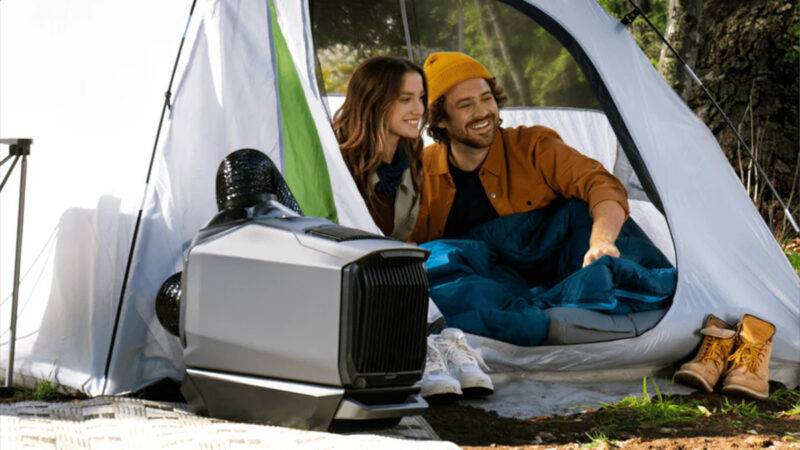
Sleep Mode runs at 44 dB — roughly the volume of a quiet conversation — so it won’t keep you up while it’s keeping you comfortable. Up to 7 hours of runtime gets you through a full night without touching a wall outlet.
The DELTA 2 Max is a serious 2,048Wh power station in its own right, not just a battery pack for the Wave 3. At camp it handles your phones, lights, laptop, and a small fridge without breaking a sweat. Back home it doubles as emergency backup power (which everyone should have) — the kind of thing you’ll be glad you own the first time a winter storm takes out your power for two days. Recharge it from a wall outlet before a trip, top it up with EcoFlow’s solar panels during the day, or charge it from your car’s alternator on the drive in. You’ve got options.
Overkill for a casual weekend camper? Maybe. But if you’ve spent one too many miserable nights either sweating through your sleeping bag or shivering until sunrise, this is the combo that ends that conversation for good.
Stay Hydrated, Sleep Better
This one catches people off guard. You spend all day hiking, sweating, and breathing hard, and then wonder why you can’t fall asleep or wake up with a headache at 3 AM. Dehydration messes with your sleep quality in ways that no amount of good gear can fix.
Drink water consistently throughout the day — not just when you’re thirsty. By the time you feel thirsty you’re already behind. Have a full water bottle at camp before you go to bed, but don’t go overboard right before sleep unless you want to be unzipping your sleeping bag in the dark at 2 AM.
Same goes for food. A big heavy meal right before bed isn’t going to help. Eat well during the day, have something reasonable at camp, and your body will have the fuel it needs to stay warm and sleep soundly without spending half the night digesting a mountain of camp chili.
The Bottom Line
None of this is complicated. The difference between a great night’s sleep in a tent and a miserable one usually comes down to a handful of decisions you make before you ever leave the house — the right bag, something decent between you and the ground, layers you can adjust in the dark, and a campsite that isn’t trying to roll you into the fire pit.
Get those basics right and camping stops feeling like something you endure and starts feeling like something you actually look forward to. Which is the whole point.
Got a setup that works for you, or a sleep disaster story I haven’t covered? Drop it in the comments or shoot me an email at cliff@10toestravel.com. I read everything.
Now go find a campsite without a power hookup. You’ve got this.