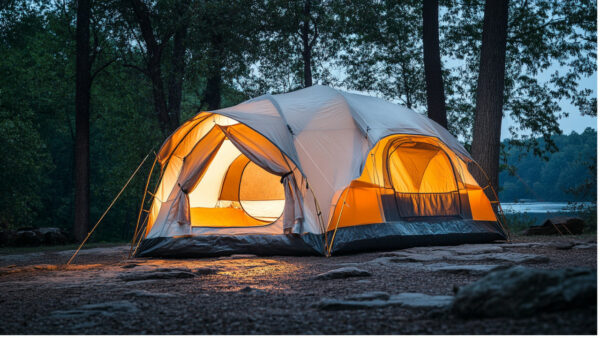
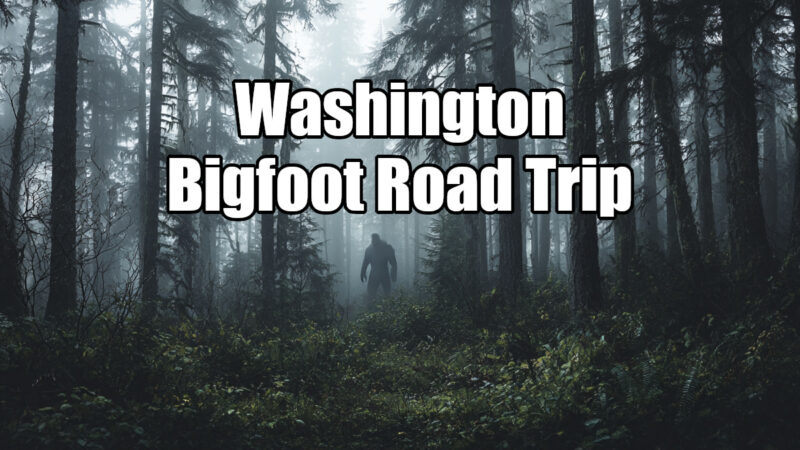
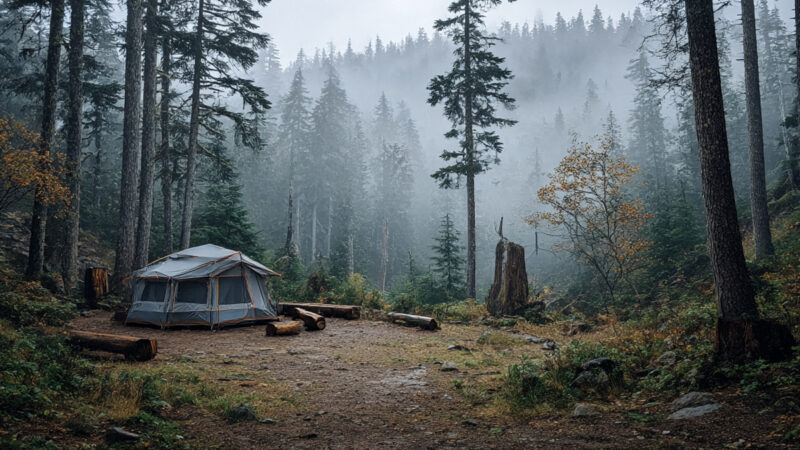
There’s something about setting up camp in a Washington forest at dusk, with the fog rolling in and the trees creaking overhead, that makes the Sasquatch stories feel a little less like stories.
I’ve spent years testing gear on soggy PNW trails, cataloging mud stains and blister patterns like it’s my actual job (because it is). But nothing quite tops that moment when you’re solo at a campsite, nursing your third cup of coffee in the dark, and you hear something heavy moving through the underbrush that isn’t a deer. Probably isn’t a deer.
Washington’s forests have been generating Sasquatch reports since the 1800s, and honestly, when you’re standing in the old-growth of Gifford Pinchot or the Olympics, you get it. The canopy is so thick it might as well be midnight at noon. If a 7-foot primate wanted to stay hidden out here, it wouldn’t have to try very hard.
This guide maps out the best camping road trip routes for mixing legitimate outdoor adventure with Washington’s rich Bigfoot lore. Whether you’re a true believer, a casual skeptic, or someone who just wants a fun theme for their next camping trip, these routes hit some of the most beautiful and least crowded corners of the state.
Grab your tent, your trail cam, and maybe an extra pair of dry socks. Let’s go squatching.
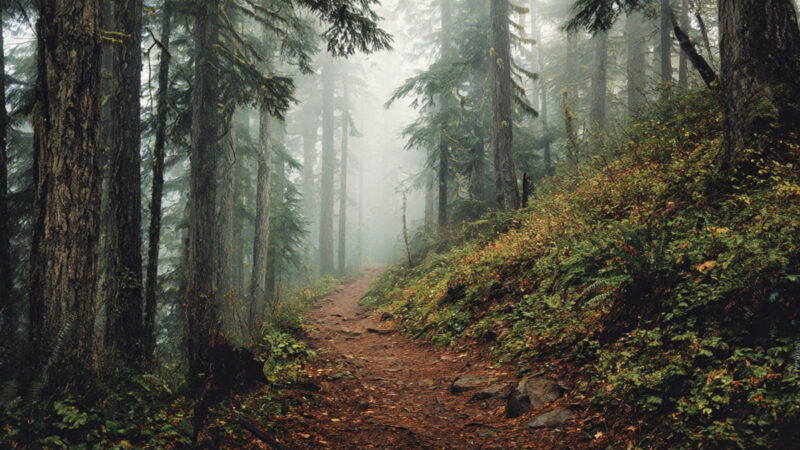
What to Expect from Washington Weather on Your Sasquatch Road Trip
I know, I know. “What’s the weather like in Washington?” is basically a setup for the punchline: wet. But it’s more nuanced than that, and timing your trip right makes a real difference.
Summer (June through August): Daytime temps settle in the mid-70s to low 80s in the valleys, cooler in the Cascades. Afternoon thundershowers pop up in the mountains, and the humidity near the coast keeps things green. This is peak camping season, and the most popular trailheads (looking at you, Enchantments) get slammed. The Sasquatch-focused routes in this guide dodge most of those crowds.
Spring and Fall (April/May, September/October): My favorite windows. Temps range from the 50s to mid-60s, the air has that crisp PNW bite, and the campgrounds thin out. Fall foliage in the Gorge is unreal, and the fewer people on trail, the better your chances of hearing something weird in the woods. Pack layers. Mornings are cold enough to make you question your life choices until that first coffee hits.
Winter (November through March): Lower elevations stay in the 40s with steady rain. Higher roads close or require chains. If you’re winter camping, you already know the drill, and honestly, a foggy January night in the Olympics is about as atmospheric as it gets for a Sasquatch trip. Just bring appropriate gear and check road conditions before you go.
The non-negotiable: Rain gear. Always. Even in August. Because let’s be real, this is the PNW.
Route 1: Columbia River Gorge – Skamania County Sasquatch Loop
This is ground zero. Skamania County claims the highest recorded number of Bigfoot sightings in the world, and the county commissioners took it seriously enough to pass an actual ordinance in 1969 making it illegal to harm Sasquatch. The law was amended in 1984, designating the entire county as an official “Sasquatch Refuge.” Harming a Bigfoot here could cost you a year in jail and a $1,000 fine.
I’m not making that up.
The Gorge is also flat-out gorgeous, which means even if Sasquatch stands you up, you’re still having a great trip.
Stop 1: Beacon Rock State Park
Skamania County, WA | parks.wa.gov
The mile-long switchback trail climbs 848 feet up the core of an ancient volcano, and the panoramic views at the top are worth every switchback. During the summer of 1970, three separate Sasquatch encounters were reported in the Beacon Rock area: a Portland man claimed he found a creature in a cave, another person measured footprints that were 9 inches wide and nearly 19 inches long, and a local woman changing a flat tire at night described a face-to-face encounter in vivid detail.
What you need to know: A Discover Pass is required. Buy it at the trailhead kiosk before you hike, because a parking ticket after a beautiful summit is a real buzzkill. The day-use area also has a boat launch and picnic spots on the Columbia River.
Stop 2: Bigfoot Discovery Trail, North Bonneville
North Bonneville, WA | bonnevilletrails.org
Three miles past Beacon Rock, the small town of North Bonneville has over 12 miles of paved trails winding through town, and tucked along them are 15 wooden Sasquatch sculptures. It’s part scavenger hunt, part easy hike, and genuinely fun whether you’re solo or dragging along friends who “don’t really hike.” Great for a light bike ride too.
Sierra’s pick: Grab lunch at Beacon Rock Golf Course, which has a deck with a view. Burgers and sandwiches are their thing, and honestly, you’ve earned it.
Stop 3: Ape Canyon Trail
Southeast of Mt. St. Helens, WA | wta.org
This is hallowed ground in Sasquatch lore. In July 1924, a group of five gold miners reported that their cabin near Mt. St. Helens was attacked by ape-like creatures that hurled boulders at the walls through the night. One of the miners, Fred Beck, later wrote a book about the encounter called “I Fought the Apemen of Mount St. Helens.” Whether you buy the story or lean toward the skeptics’ theory (local kids throwing pumice stones), the landscape itself is otherworldly. The 1980 eruption dramatically reshaped the area, and the current trail offers views of the lava flows and wildflower meadows in summer that make it one of the most unique hikes in the state.
Reality check: The Ape Canyon Trail is on the southeast side of Mt. St. Helens, not the Columbia Gorge. Plan this as a day trip from your Gorge basecamp or as a transition stop heading toward Route 2. It’s about a 1.5-hour drive from Stevenson.
Something Else To Look For:
While you’re in the Columbia River Gorge chasing Sasquatch vibes, keep an ear out for the Klickitat Ape Cat—another PNW cryptid that’s got locals buzzing. This beast blends panther grace with ape smarts: think five feet at the shoulder, jet-black fur, a gorilla-like face, and a tail longer than your hiking poles.
Rooted in Klickitat Native stories, it’s been spotted in spots like Buck Creek and Snowden since the ’80s, often at dawn or dusk, just watching from the shadows without getting aggressive. No attacks reported, but plenty of eerie tent-scraping sounds to spice up your solo camp night. It shares turf with Bigfoot in this paranormal hotspot, adding extra mystery to trails like Ape Canyon. For the full scoop, check out this deep dive on the Klickitat Ape Cat.
Where to Camp
Beacon Rock State Park Campground – Right in the park. Basic but well-maintained sites with restrooms and showers. First-come, first-served in shoulder season.
Gorge Base Camp – Full-hookup RV spots and tent camping near Stevenson. Showers, laundry, the works. Good home base for exploring multiple Gorge stops.
Where to Refuel (Coffee Division)
Sasquatch Coffee Roasters in Stevenson roasts small-batch beans right in the heart of the Gorge. The shop doubles as a gift store with Bigfoot merch, so you can caffeinate and souvenir in one stop. As a fellow trail junky who runs on coffee, this place gets it.
Route 2: South Cascades – Mt. St. Helens & Gifford Pinchot National Forest
Head east from the Gorge into Gifford Pinchot National Forest, and the vibe shifts from scenic river valley to deep, dark old-growth. This is where the Sasquatch stories get older, the forests get denser, and your cell signal goes to zero. I tested my rain jacket’s limits on a stormy hike through here last fall, and let me tell you, PNW waterproofing claims get honest real fast in these mountains.
Stop 1: North Fork Survivors Gift Shop & Museum
Near Toutle, WA | northforksurvivors.com
Halfway up Spirit Lake Highway toward Mt. St. Helens, this roadside stop is more interesting than it has any right to be. The owners are active Bigfoot researchers (they’ve worked with the “Finding Bigfoot” crew), and the property features a massive concrete Bigfoot statue made from Mt. St. Helens ash, footprint casts including one from the 1967 Patterson-Gimlin footage, and a buried A-frame house swallowed by the 1980 eruption’s mudflow. The museum, the eruption history, and the Bigfoot angle all in one stop. It’s weird and wonderful.
Heads up: Hours can vary by season. Call ahead at (360) 274-6789, especially if you’re visiting on a weekday.
Stop 2: Dark Divide Roadless Area
Gifford Pinchot National Forest, WA | fs.usda.gov
This 50,000-acre stretch of unroaded wilderness between Mt. St. Helens and Mt. Adams is one of the most remote areas in southern Washington, and it’s been a consistent Sasquatch sighting hotspot for decades. Dense canopy, deep canyons, limited access. If you want the “am I really alone out here?” experience, this delivers.
For guided exploration, Bigfoot Adventures runs tracking tours that teach you what to look for: tree structures, territorial markings, vocalization patterns. Even if you’re skeptical, the wilderness skills are legit.
Stop 3: Tarbell Trail
Lewis River Region, WA | wta.org
Twenty-four miles of trail threading through old-growth forest. This isn’t a casual afternoon stroll. The full loop is a solid day hike or an overnighter if you want to camp along the route. It’s quiet, remote, and the kind of forest where you start talking to yourself just to have company. Or is that just me?
Where to Camp
Lower Falls Campground – On the Lewis River, near some of the best waterfalls in the state. Reservable sites, vault toilets, no hookups. The falls alone are worth the trip.
Seaquest State Park – Just off I-5 near Castle Rock. Modern campground with showers and RV hookups. Good staging point if you’re arriving late and heading into the forest the next morning.
Where to Refuel (Coffee Division)
Espresso Chalet in Gold Bar has Bigfoot statues out front and strong espresso inside. The kind of place where the coffee matches the theme: bold and a little unpredictable.
Possible Bigfoot Howls Near The Road In Washington
Route 3: Olympic Peninsula – Highway 101 & the Wild Coast
If Routes 1 and 2 are the Sasquatch greatest hits, the Olympic Peninsula is the deep cut that the real fans know about. Nearly a million acres of wilderness, some of the densest temperate rainforest on the planet, and whole swaths that haven’t been logged or roaded. Ever. The Olympic Peninsula produces Sasquatch reports with surprising regularity, particularly in the river valleys where the Hoh, Quinault, and Dickey Rivers carve through old-growth forest.
The Route
Follow Highway 101 around the Peninsula. The full loop from Olympia is roughly 350 miles, and you could spend a week and not see it all. Key Sasquatch-relevant stops:
Hoh Rain Forest – Annual rainfall here exceeds 12 feet. Twelve. Feet. The canopy is so thick the forest floor stays dim even at midday, and the Hall of Mosses Trail looks like it belongs in a fantasy novel. Multiple Sasquatch sightings have been reported in the Hoh Valley, and the remoteness of the interior is genuinely impressive.
Dickey River Area – Prime Squatch territory on the western Olympic Peninsula. Dense forests, remote vibes, and plenty of reported vocalizations that’ll raise the hairs on your neck. I’ve listened to recordings from spots like this after a long day on the trail, nursing coffee and wondering what’s out there in the dark. If you’re camping nearby, turn off your headlamp and tune in. Those howls cut through the rain like nothing else.
Forks – Yes, the Twilight town. But before the vampires moved in, Forks was known for Bigfoot. Stop by Sasquatch The Legend for a curated collection of Bigfoot research, merchandise, and local lore. The store is run by people who take the subject seriously, and it’s worth a browse even if you’re just passing through.
Where to Camp
Hoh Rain Forest Campground – National Park campground right in the rainforest. First-come, first-served, 78 sites. Gets full in summer, so arrive early or visit in shoulder season.
Mora Campground / Rialto Beach – Near the Quillayute River. Walk to Rialto Beach for dramatic sea stacks and driftwood piles the size of cars.
National Park note: An Olympic National Park entrance pass ($30/vehicle, 7 days) is required. An America the Beautiful annual pass ($80) covers it.
Bigfoot Festivals Worth Planning Around
If you want to combine your road trip with a community event, Washington hosts some solid Sasquatch festivals. These aren’t just novelty fairs; they feature serious researchers alongside the fun stuff.
sQuatch Fest + Galactic Fest
Longview, WA | January 30-31, 2026 | kelsolongviewchamber.org/squatchfest
Held at the Cowlitz County Event Center, this two-day festival brings together Bigfoot researchers, UFO enthusiasts, and families. Expect expert presentations, documentaries, vendors with cryptid gear, a kids’ activity area (“Kid’s Cave”), and a beer garden. The Friday night kickoff event includes live music and a 40oz beer with your ticket, which is a pretty solid way to start a Sasquatch weekend.
Getting there: Longview is right off I-5, about 50 miles north of Portland. Easy to combine with a Route 2 exploration.
Metaline Falls Bigfoot Festival
Metaline Falls, WA | June 20-21, 2026 | mfbigfoot.com
Up in northeast Washington, this small-town festival punches above its weight. The speaker lineup includes real researchers (past presenters include Dr. Jeff Meldrum from Idaho State University), plus there’s a Bigfoot 5K, a kids’ color run, vendors, live music, and a “Sasquatch Village” at Busta Park. The setting in Metaline Falls, near the Colville National Forest, is perfect for extending the trip into a camping weekend.
Hiketrovert tip: Stay for the festival, then escape into the Colville National Forest for some of the quietest backcountry camping in the state.
Gear Tips for a Sasquatch Camping Road Trip
You don’t need specialized Bigfoot-hunting equipment, but a few extras make the trip more fun and the camping more comfortable.
Binoculars: Lightweight compact binoculars (8×25 or 10×25) are worth their weight for scanning tree lines, ridges, and clearings. I keep a pair in my hip belt pocket on every hike. Useful for wildlife watching even when Sasquatch doesn’t show.
Trail Camera: If you’re camping for more than one night, set up a trail cam near your campsite perimeter or along a game trail. Mine has caught bears, elk, and some genuinely odd shadows I still can’t explain. Budget models from Campark or Meidase work fine for this.
Audio Recorder: A simple digital voice recorder or your phone with a good recording app. Some of the most interesting Sasquatch evidence out there is audio. At minimum, you’ll capture the ambient forest sounds that make great memories.
Rain Gear (For Real): Not the $15 emergency poncho from the gas station. A proper waterproof shell and rain pants. You will be rained on. Embrace it.
Headlamp with Red Light Mode: Red light preserves your night vision and doesn’t disrupt wildlife. Also makes campfire ghost stories approximately 300% creepier.
The Usual PNW Kit: Layers, dry socks, a reliable camp stove, and more coffee than you think you need. You know the drill.
A Note on Safety (Because I Have To)
This is still backcountry Washington, and the forests on these routes are genuinely remote. A few things to keep front of mind:
You’re more likely to have a real encounter with a black bear or cougar than with Sasquatch. Proper food storage (bear canisters or hanging) is essential, not optional. Know what to do in a wildlife encounter before you head out.
Cell service is spotty to nonexistent on most of these routes. Carry a physical map and consider a satellite communicator like a Garmin inReach if you’re going deep into the backcountry.
In December 2024, two men searching for Sasquatch in Skamania County went missing and were later found deceased. The wilderness doesn’t care about your itinerary. Tell someone where you’re going and when you’ll be back. Check weather forecasts (though the Gorge is notoriously hard to predict). Carry the ten essentials. Come home safe.
Plan Your Route
| Route | Base Area | Driving from Seattle | Driving from Portland | Best Season |
|---|---|---|---|---|
| Columbia River Gorge | Stevenson, WA | ~3.5 hours | ~1 hour | Year-round |
| South Cascades | Castle Rock / Cougar, WA | ~2.5 hours | ~1.5 hours | May – October |
| Olympic Peninsula | Forks, WA | ~4 hours | ~5 hours | June – September |
Your Sasquatch Road Trip, Your Way
You can run these routes separately as weekend trips, or string them together for an epic week-plus road trip that hits Washington’s wildest corners. Start in the Gorge, loop through the South Cascades, then swing out to the Olympic Peninsula for the grand finale. Add in a festival if the timing works.
Will you see Sasquatch? Probably not. But will you camp in some of the most beautiful, atmospheric, and genuinely wild forests in the Lower 48? Absolutely. And on one of those quiet nights, deep in the old-growth with the rain tapping your tent fly and something large cracking branches just beyond the tree line… you might understand why so many people believe.
Have you heard something weird in Washington’s woods? Got a favorite Sasquatch-adjacent campsite? Drop a comment and share. And if you’ve got trail cam footage of anything interesting, I want to see it.
Happy trails (preferably quiet ones).
[PIN THIS POST TO PINTEREST!](insert custom Pinterest pin URL here)