Turning 40 changes your relationship with tent camping. Suddenly that $20 foam pad that worked fine for years becomes your mortal enemy. Your hip bones start a personal vendetta against every pebble you didn’t clear from under the tent. And that romantic idea of sleeping under the stars? It loses some appeal when you spend half the night trying to find a position that doesn’t make you feel like you’re 80.
Your body used to forgive sleeping on rocks. Now it keeps receipts.
Look at camping Instagram and everyone’s waking up refreshed, hair perfect, ready to summit. The reality? Most of us over 40 shuffle to the bathroom like we need a walker, wondering why we do this to ourselves.
Here’s what nobody tells you: upgrading your sleep system isn’t about going soft. It’s about camping MORE, staying longer, and actually enjoying it instead of enduring it. Better sleep means better hikes. Period.
This guide covers three real upgrade tiers that actually work, plus the couples camping sleep question that nobody wants to talk about but everyone’s wondering about.
Why Your Current Setup Sucks
Let’s be honest about what you’re probably sleeping on right now.
The Cheap Old Foam Pad Reality
Those basic 1-2 inch foam pads from the big box store? They compress to basically nothing and your hip bones end up punching straight through to the ground. As for the R-value, they might be fine for the summer, in the shoulder seasons or winter, they are cold to sleep on.
They work fine for one night when you’re 15 and summer camping. Multiple nights over 40? Your back will send you strongly worded complaints.
The Air Mattress Trap
I fell into this one hard. Those cheap vinyl air mattresses from Walmart seem like a good idea. They’re cheap, they pack small when deflated, and hey, it’s basically a bed, right?
Wrong.
They bulge weird. They develop slow leaks at the worst possible time (usually 3am). The vinyl gets sticky and sweaty in a way that makes you question your life choices. And here’s the kicker: temperature drops overnight means the air contracts, which means you wake up in a saggy mattress, and a sore back.
The constant re-inflating every few hours gets old fast. You spend more time pumping than sleeping.
My favorite vinyl blow up was when the one we had blew a baffle in the middle so it bulged like a football.
Common Mistakes Everyone Makes
Thinking you’ll “just tough it out” because that’s what real campers do. Meanwhile your chiropractor is planning a vacation home with the money you’re about to spend on adjustments.
Assuming expensive automatically equals better for YOUR body type. A $400 pad designed for a 180-pound back sleeper might be terrible for a 240-pound side sleeper.
Not considering your actual camping style. Why are you optimizing for backpacking weight when you drive your truck right up to the campsite?
Buying the cheapest option the day before a trip because you forgot to plan ahead. Then spending the entire weekend regretting it.
The Three Real Upgrade Tiers
Let’s get into actual solutions. I’m breaking this into three tiers based on what actually works, not marketing nonsense.
Tier 1: Thick Self-Inflating Pads ($150-300)
This is the “I’m actually serious about sleeping” level. These aren’t those thin 1-inch backpacking pads. These are car camping monsters designed to keep you off the ground with real cushioning.
What They Actually Are
Self-inflating pads are 3-4+ inches of foam that automatically inflates when you open the valve. The foam expands and sucks in air. You let it sit for 10 minutes, then top it off with a few breaths or pumps to get it firm.
The key difference from cheap pads: this foam doesn’t compress into cardboard. It’s designed to maintain thickness and support all night long.
Top Options in This Category
Therm-a-Rest MondoKing 3D (~$250)
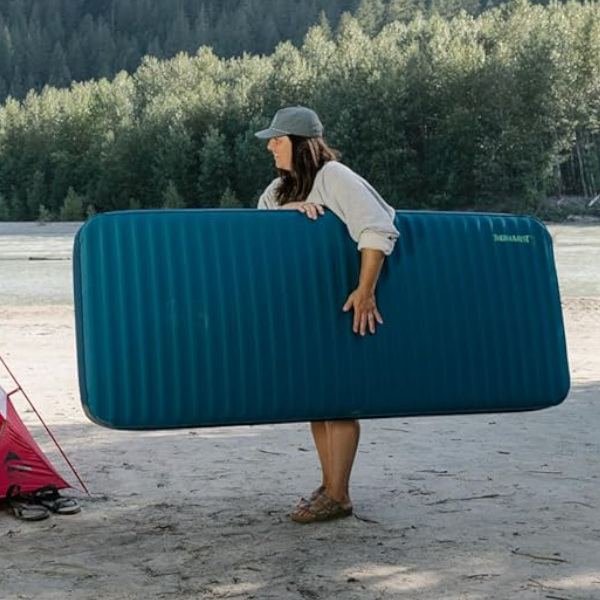
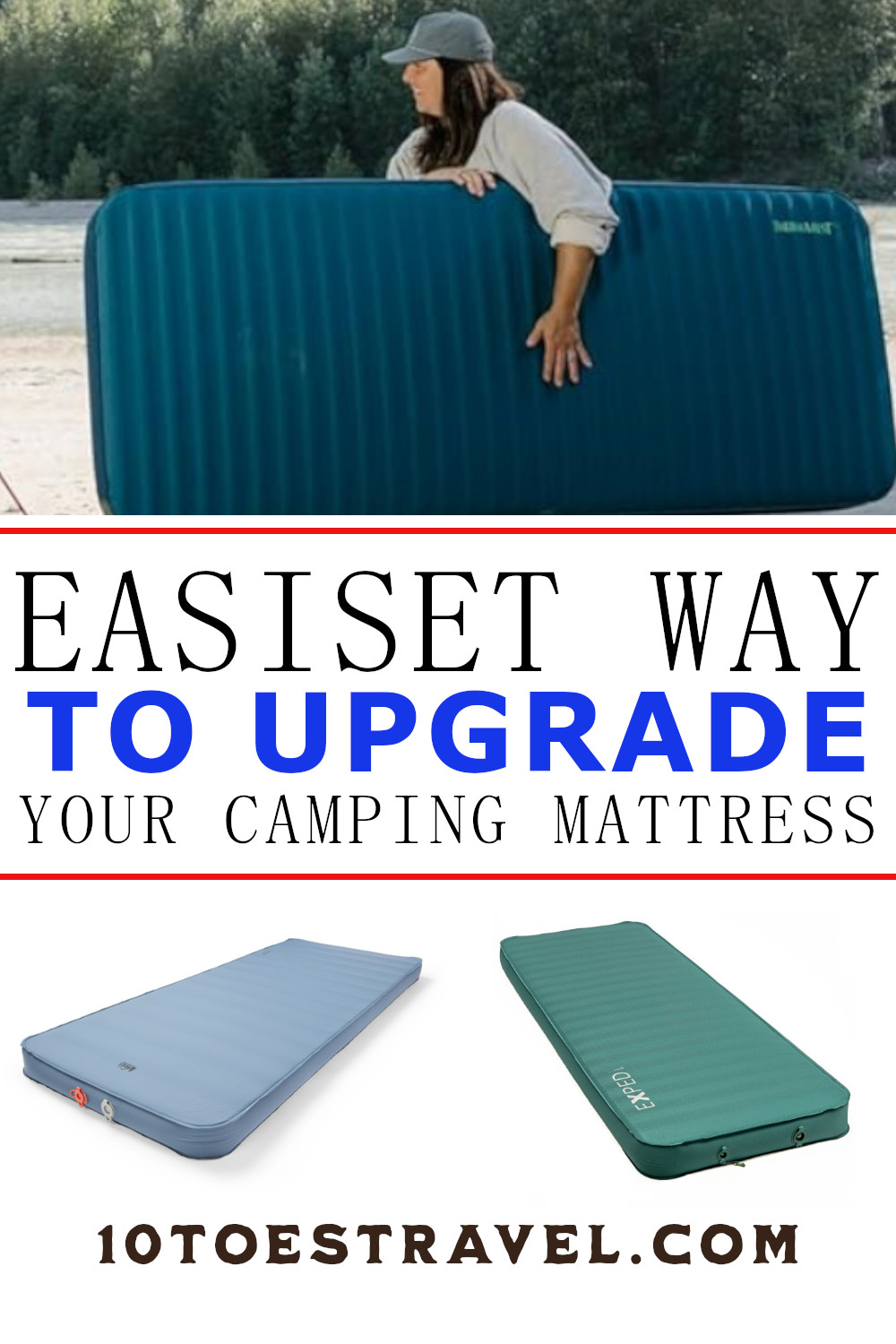
This is the gold standard everyone compares against. At 4.25 inches thick with vertical sidewalls, you actually get every bit of that cushion with the MondoKing 3D. It’s 25 inches wide, so you won’t roll off like you do with narrow pads.
The R-value of 7.0 means you can use it in shoulder season without freezing. Yeah, it weighs over 4 pounds. But this is car camping. Who cares?
REI Camp Dreamer XL (~$160)
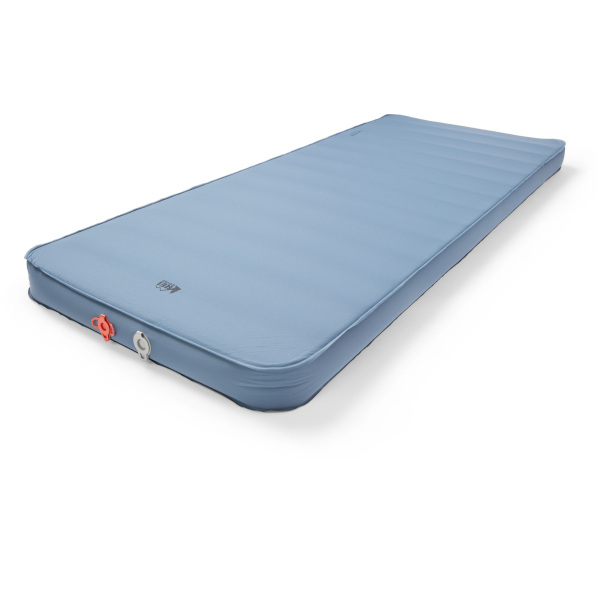
Nearly $100 cheaper than the MondoKing the REI Camp Dreamer still gets the job done for most people. It’s 3 inches thick and self-inflates in about 5 minutes. REI’s return policy is excellent, so if it doesn’t work for you, you’re not stuck with it.
This is the smart middle-ground option if you’re not ready to drop $250 but want something way better than what you’ve got.
Exped MegaMat 10 (~$270)
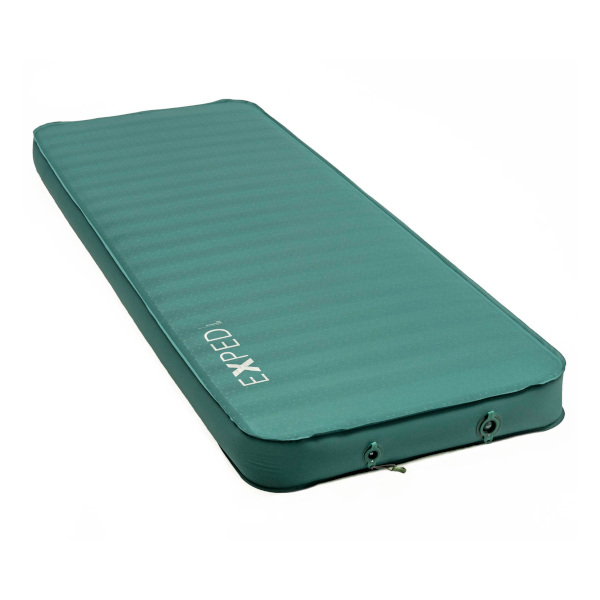
The Exped MegaMat 10 pushes into premium territory on price, but the concept is the same. Four inches of luxury with a built-in pump. If you camp 15+ nights per year, do the math. This thing will last 10+ years with proper care. That’s like $3-4 per camping night for perfect sleep.
NEMO Roamer (~$260)
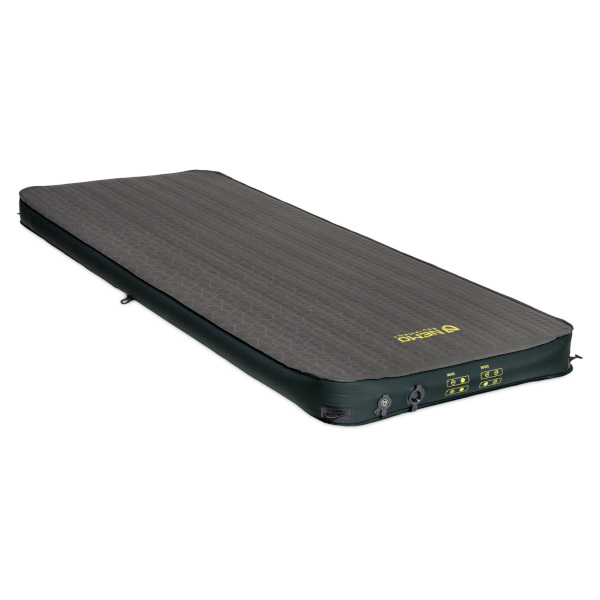
Fast self-inflation, we’re talking minutes instead of 10+ minutes. The 3-valve system on the Nemo Roamer makes deflating and packing it back up easier, which matters when you’re breaking camp in the morning and just want coffee.
Lighter than the MondoKing, good for people who want versatility between car camping and lighter trips.
Who This Tier Is For
Weekend warriors camping 6-15 nights a year who are tired of waking up sore. Side sleepers who need actual cushioning under their hips and shoulders. Anyone upgrading from those cheap foam pads or sketchy air mattresses.
You need decent tent space since these are wider (25″+), but the comfort upgrade is massive.
Key Things to Know
Get the WIDE version if you’re a side sleeper or you move around at night. Standard 20-inch pads work for back sleepers, but side sleepers need that extra width or you’ll wake up on the tent floor.
You still need to clear rocks and sticks from the ground first. Even thick pads can’t overcome a pointy root positioned perfectly under your kidney.
In temperatures below 50°F, throw a reflective pad underneath for extra warmth. This will help keep the ground from sucking the heat out of you, and protect your mattress.
Tier 2: Cot + Pad Systems ($200-400)
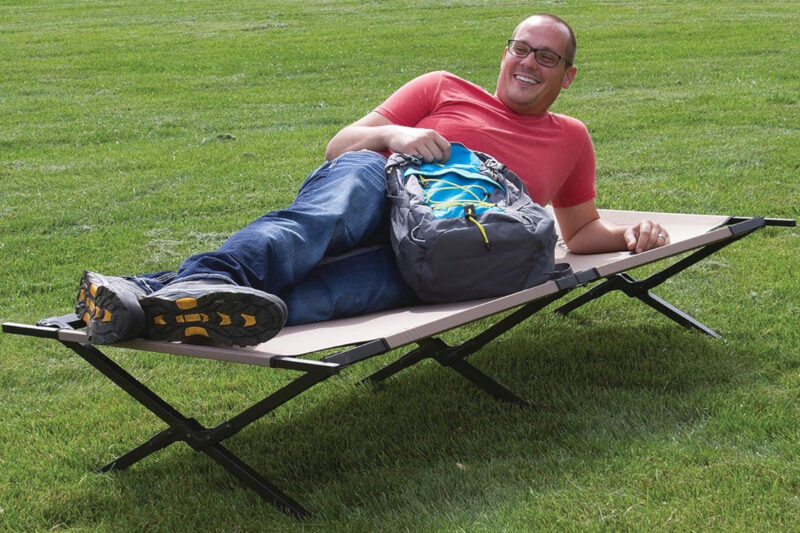
This is the “get me off the ground” solution. It completely changes the camping sleep game.
Why This Approach Works
Being elevated off the ground means you’re not losing heat to cold earth. Air circulates underneath, which actually makes you warmer in cooler weather. Counterintuitive but true.
You can store gear underneath, which frees up tent floor space. Plus, it’s way easier to get in and out of a cot than crawling off the ground. Your knees will appreciate this at 6am.
The cot provides the structure and gets you off the ground. The pad on top provides the actual comfort and insulation.
The Cot + Pad Combo Approach ($200-350 total)
Solid Cot Options:
Coleman Camping Cot ($60-80) is the workhorse option. Heavy-duty, budget-friendly, and they last forever. Yeah, it weighs a ton, but again, car camping.
Helinox Cot One High (~$480) This is the fancy option. Lighter weight, packs smaller, less squeaky. If you’ve got the budget and want something that won’t announce every time you shift position, this is it.
REI Campwell Folding Cot (~$120) sits right in the middle. Good balance of price and quality. REI’s warranty is solid.
Teton Outfitter Camping Cot ($130) extra wide and heavy duty, perfect if you’re a bigger person. Don’t torture yourself on a narrow cot.
What to Put On Top:
With a cot in play, you can repurpose your backpacking pad to add some insulation underneath you and have a great night’s sleep.
Additionally, memory foam cot pads ($40-80) are the budget option. You can literally cut a piece of memory foam from a cheap twin mattress to fit your cot. It’s bulkier than inflatable but costs less and never deflates.
The Integrated Options
Coleman Airbed Cot Combo (~$180)
The air mattress is built right into the cot frame. Comes with side tables that have cup holders, which is actually pretty nice for keeping your water bottle handy. Built-in pump is included.
The air mattress quality is better than those cheap standalone ones. Will it squeak a bit when you move? Yeah, but all cots do that to some degree.
KingCamp Air Bed Frame ($180)
Modular frame design with elastic straps to secure whatever mattress or pad you want on top. Storage compartment underneath for gear. You can even connect multiple units if you’re camping with family.
Pretty clever design if you already have a decent air mattress or want flexibility.
Important Notes About Air Mattresses on Cots
If you’re going to pair your own air mattress with a cot, spend the money on a quality one. We’re talking $100+ models, not the $30 Walmart specials.
The cheap vinyl ones still have all the same problems: temperature changes, slow leaks, weird bulging.
Honestly? A I prefer thick self-inflating pad on a cot over integrated systems. By splitting them up, if one part fails you don’t have to replace the whole thing.
Who This Tier Is For
Anyone with back or hip issues. Getting off the ground changes everything when your joints are already angry at you.
Tall people who need extra length. Most cots are longer than standard sleeping pads.
Cold weather campers. That elevation and air circulation underneath makes a huge difference when it’s chilly.
People who want their tent floor space organized. Storage under the cot keeps your gear off the ground and accessible.
Anyone who struggles getting up from ground level. There’s no shame in admitting that crawling out of a sleeping bag at ground level gets harder every year.
Tier 3: Premium Camping Beds ($300-600+)
This is the “I’m done suffering” level. And if you camp regularly over 40, this isn’t bougie. This is self-care.
KingCamp Gorgeous Double 17 (~$300)
This thing is 6.7 inches (17cm) of total thickness. It has a unique two-layer system: an inflatable base plus a foam-filled cover that zips on top.
That cover isn’t just fabric. It has actual foam inside. That’s why it feels like a real mattress instead of just an air pad.
At 55 inches wide (140cm), it fits two people. The cover is washable and removable, which means it won’t get gross over time. 192 internal tie-bars keep everything stable and prevent that weird balloon feeling.
R-value sits at 4-5.4, good for shoulder season camping. You’ll need a bigger tent for this width, but the sleep quality is worth the tent upgrade.
Exped MegaMat Duo Queen ($450-550)
This is 52 inches wide and 4+ inches thick. Self-inflating with an integrated pump so you’re not huffing and puffing for 10 minutes.
It’s built for couples or solo sprawlers. The construction quality is premium, and these things last 10+ years with proper care. Do the math: $450 divided by 50 camping nights is $9 per night for perfect sleep.
Compare that to a chiropractor visit or a ruined camping trip because nobody slept.
HEST Foamy/Dually ($400-800)
This is an actual foam mattress designed for camping. No inflation needed whatsoever. It’s designed for vehicle and overlanding use.
Premium materials, premium construction, premium price. This is for people who camp 20+ nights a year and want zero compromise on sleep.
Double-Wide Luxury Options
You can go all out: premium self-inflating pad plus a quality cot plus your real pillow from home. You’re looking at $600+ total, but you’re also buying years of actually good sleep.
Who This Tier Is For
People camping 15+ nights per year. At that frequency, the cost-per-use drops fast.
Couples who both value sleep quality and have the tent space for it.
Anyone with chronic back or joint pain. Medical necessity beats budget concerns.
Extended stay base camping or festival camping where you’re set up for days.
Anyone who’s done with the “you have to suffer to earn your outdoor experience” mentality. That’s nonsense, and your knees know it.
Cost Justification Math
Take a $450 pad. If you camp 50 nights over its lifetime, that’s $9 per night for perfect sleep.
Compare that to:
- Chiropractor visits after a bad camping trip
- Lost hiking days because you’re too sore to move
- Camping trips you skip because you dread the sleep
- Years of camping you’re giving up because it hurts too much
Suddenly that $450 doesn’t seem so crazy.
If You’re Sleeping as a Couple: Different Rules Apply
Camping as a couple completely changes the sleep equation. This is the conversation nobody wants to have but everyone needs to.
The Separate vs. Together Debate
Let’s address the elephant in the tent.
Two Individual Pads: The Smart Choice for Most
Why this works better:
Zero motion transfer. Your partner rolls over at 2am, you don’t feel it. This alone is worth the price of admission.
Different firmness preferences? No problem. One person gets the firm pad, the other gets the plusher one.
One person runs hot, one runs cold? Each can optimize their own setup with different R-values and configurations.
If one pad fails, you have a backup. You’re not both on the ground.
Can split them up for solo trips or when friends come camping.
Each person controls their own inflation level and firmness.
The downsides:
There’s a gap in the middle. The dreaded “crack of doom” where you can lose small items and your dignity trying to fish them out.
Takes more tent floor space than one wide pad. You need a bigger tent.
Double the inflation and deflation work in the morning and evening.
Costs more upfront, though not always by much.
Best Combos for Couples with Separate Pads:
Two Therm-a-Rest MondoKing 3Ds run about $500 total. Both people sleep great, no compromises.
Two REI Camp Dreamers come in at $320 total. Budget-friendly and both people are happy.
You can mix and match based on weight differences or preference. Maybe one person gets the premium pad and the other is fine with mid-range.
Pro Tip: Get pads with connectors or straps to link them together and minimize the gap. Or just accept the gap. It’s way better than feeling every movement your partner makes.
One Double-Wide Pad: The Romantic Idea
When this actually works:
Both sleepers are similar weight. If there’s a big difference, the heavier person creates a valley that the lighter person rolls into all night.
Neither person is a super restless sleeper. If one person flails around, both suffer.
You genuinely want to sleep close together. Some couples really do sleep better touching.
You have a big enough tent. We’re talking 6+ person minimum, ideally 8-person for actual comfort.
Both prefer similar firmness levels. Can’t have one person wanting firm and the other wanting soft.
The reality check:
Motion transfer is real. Every movement gets felt by both people. One person shifts, both wake up.
If one person gets cold and adjusts the sleeping bag, both are affected.
Harder to optimize for individual preferences. You’re both stuck with the same firmness, same warmth level, same everything.
If the pad fails, you’re both on the ground instead of just one person having a backup.
Best Double-Wide Options:
Exped MegaMat Duo ($450-550) at 52 inches wide is the gold standard for couples who want to go this route. Thick enough to minimize some motion transfer. Built to last. This is what the serious couples campers end up with.
KingCamp Gorgeous Double 17 ($300) at 55 inches wide is more affordable. That foam cover layer helps with motion dampening. Good value if you want to try the double-wide approach without dropping $500.
Sea to Summit Comfort Deluxe Double ($350-400) gives you 78 inches long and 51 inches wide. Self-inflating with good support throughout.
The Tent Size Requirement:
A 55-inch pad needs a minimum 7-foot wide tent floor. And that’s just for the pad.
Don’t forget you need space for gear. A 6-person tent is the absolute minimum for double-wide comfort. An 8-person tent if you want actual room to move around.
Most people underestimate how much floor space these take up until they’re trying to arrange everything at the campsite.
The Cot Solution for Couples
Two Separate Cots:
Each person gets their optimal height and firmness preference. You can use different pad styles on top based on individual needs.
Storage space under each cot keeps gear organized. More tent floor space is used, but it’s organized and functional.
Common Setups:
Two Coleman cots plus individual pads run $350-400 total. Affordable and both people are comfortable.
Two Helinox cots plus pads push $700+ total but you get lighter weight and quieter operation.
Mixed approach: one cot for the person with the bad back, one premium pad on the ground for the other person. Everyone gets what they need.
The Double Cot Option:
Yes, they exist. KingCamp makes them. But they’re huge and heavy.
Only makes sense for giant family tents or dedicated car camping setups. The motion transfer issue still exists. Not usually the best solution.
Dealing with Different Sleep Styles
When one partner is a restless sleeper:
Separate pads are non-negotiable. That motion transfer will ruin both people’s sleep.
Leave an intentional gap between the pads. Don’t even try to close it. The gap is your friend.
Consider cots to get vertical separation too. Different heights can help.
When one runs hot, one runs cold:
Different R-value pads for each person. The cold sleeper gets the insulated pad plus a reflective layer underneath.
Hot sleeper gets minimal insulation. Maybe even opts for a summer-rated pad.
Separate sleeping bags rated differently for each person’s temperature preference.
When there’s a major weight difference:
Separate pads rated for each person’s actual weight. The heavier person may need a cot for better support.
The lighter person can use a thinner pad successfully and be perfectly comfortable.
Don’t try to find a compromise solution that makes both people mediocre. Each person gets what works for their body.
When one person has back issues:
That person gets the premium gear. Period. Cot plus thick pad, whatever it takes.
The other person can go budget-friendly if needed. Don’t cheap out on the person with pain issues because “fair is equal.”
Fair is each person being comfortable. That might mean different price points.
The Budget Reality for Couples
Starting Budget ($300-400 total):
Two REI Camp Dreamers at $320 total. Both people get decent sleep.
OR one KingCamp Gorgeous Double at $300. Try the double-wide approach affordably.
OR two Coleman cots plus cheap pads for $280-350. Elevated sleep without breaking the bank.
Middle Budget ($400-600 total):
Two Therm-a-Rest MondoKings at $500. Both people get premium sleep on separate pads.
OR two cot plus quality pad combos for $500-600. Elevated and comfortable.
OR one Exped MegaMat Duo for $450-550. Premium double-wide if you really want to sleep together.
Premium Budget ($600+ total):
Two Exped MegaMat 10s for $700-900. No compromises, both people get the absolute best.
OR one Exped Duo plus backup pads for emergencies, around $600.
OR two premium cot systems at $800+. Elevated, comfortable, and bombproof.
Tent Considerations for Couples
Minimum Tent Sizes:
Two 25-inch pads need a 6-person tent minimum. You need about 54 inches total width including the gap.
One 52-55 inch double pad needs a 6-8 person tent. You need room to get in and out on both sides.
Two cots require an 8-person tent for actual comfort. They take up more floor space than you expect.
Always size up from the minimum for gear storage. The specs lie about how much usable space you actually have.
Floor Space Math:
Two 25-inch pads equal 50 inches plus gap equals 54 inches total width needed.
A 55-inch double pad plus 12 inches on each side for getting in and out equals 79 inches total.
Most 6-person tents have a 10′ x 10′ floor (120″ x 120″). Sounds like plenty until you add all your gear, boots, dog, and everything else.
Vestibules become essential for gear storage. Don’t try to cram everything inside the main tent area.
The Couples Camping Truth:
Your tent will always feel smaller than the specifications suggest. Manufacturers measure peak height and floor space, not usable space.
Going bigger on tent size equals better sleep for everyone. A couple in an 8-person tent is happier than a couple crammed in a 4-person.
What Usually Works Best
For most couples over 40, here’s the winner: two separate premium pads.
Here’s why:
Both people sleep better. No motion transfer means no waking each other up.
Each can optimize their setup for their body, weight, and temperature preferences.
If you get divorced, you each have a pad. Kidding. Mostly.
More versatile for solo trips or when friends join you.
The gap between pads is annoying but totally tolerable compared to feeling every movement.
The Gap Solutions:
Bridge it with a fleece blanket folded lengthwise between the pads.
Use sleeping pad straps or connectors to link them together. Some brands make these specifically.
Accept it as the price of good sleep. Put small gear bags in the gap so nothing important falls through.
Embrace it. The gap keeps you from overheating when sleeping next to another person.
When Double-Wide Makes Sense:
You genuinely sleep better touching. Some couples really are like this.
Very similar weights and sleep styles. You’re basically the same person in different bodies.
You have a huge tent already. Like, a family-sized cabin tent situation.
Budget only allows one premium pad instead of two. Better one great shared pad than two mediocre pads.
Festival camping or situations where the closeness matters more than optimal sleep. Sometimes the vibe is worth the motion transfer.
Bottom Line for Couples:
Don’t let romance override sleep science. Two separate pads usually means two happy campers.
One double-wide means you better really like each other at 3am when someone’s rolling over for the tenth time and waking you both up.
The gap between separate pads is way less annoying than being tired and cranky all day because neither of you slept well.
The Stuff Nobody Tells You
Some real talk on the details that make or break the system.
Ground Prep Still Matters
Even if you drop $500 on a premium pad, you still need to clear rocks and sticks from under your tent. Five minutes of ground prep saves hours of discomfort.
A tarp under your tent floor adds an extra cushion layer and protects your tent floor from abrasion. Cheap insurance.
This seems obvious but everyone skips it when they’re setting up at 9pm after driving all day. Don’t skip it.
Width Matters As Much As Thickness
Standard 20-inch pads work fine if you’re a back sleeper who doesn’t move much. For everyone else, they’re too narrow.
Side sleepers need minimum 25-inch width. Your shoulders and hips need space.
Restless sleepers who move around need 30 inches. Yes, it takes up more tent space. Yes, it’s worth it when you’re not waking up on the tent floor.
Don’t sacrifice width to save 2 inches of tent room. You’ll regret it at 2am.
Temperature Affects Everything
Cold ground sucks heat right through even the best pad. Physics doesn’t care how much you spent.
Below 50°F, add a reflective pad or closed-cell foam pad underneath your main pad. That extra layer makes a huge difference.
Cots help here because you get air space below you. That circulation actually keeps you warmer.
R-value measures insulation, not comfort. A pad can have great insulation but still be uncomfortable if it’s too thin or firm for your body.
Don’t Forget the Pillow
Stuffing a sack with clothes stops working around age 35. Your neck deserves better.
Real camping pillows run $15-40 and make a massive difference. Brands like Nemo, Sea to Summit, and Therm-a-Rest all make good ones.
Or just bring your actual pillow from home. Yeah, it takes up space. Your neck doesn’t care and if you are car camping, who cares about the weight.
Neck pain ruins hiking faster than sore hips. A good pillow is a small investment for a huge quality of life improvement.
Sleeping Bag Quality Matters Too
You can have the perfect pad and still sleep terribly if your sleeping bag sucks.
Get a bag rated 10-15°F below the expected nighttime temps. You can always unzip if you’re warm, but you can’t add warmth if you’re cold.
Can’t have comfort without warmth. They work together.
Test at Home First
Set up your new sleep system in the backyard or living room before taking it camping.
Find out what doesn’t work in the comfort of home, not at midnight at the lake when you can’t do anything about it.
Check that everything fits in your tent. Make sure you can actually pack it in your vehicle.
This seems like overkill until you’re at the campsite realizing your new cot doesn’t fit through your tent door.
How to Choose Your Upgrade
Let’s make this simple.
Based on Camping Frequency
Camp 1-5 nights per year? Tier 1 self-inflating pad is plenty. Spend $150-250 and be done.
Camp 6-15 nights per year? Tier 2 cot system or premium pad makes sense. Budget $250-400.
Camp 15+ nights per year? Tier 3 premium pays for itself in comfort and longevity. Spend the $300-600 and stop messing around.
Based on Pain Points
Hip and shoulder pressure is your main issue? You need thickness. Go Tier 2 or 3.
Always cold camping? Get insulation plus elevation. Cot systems work great here.
Back pain is the problem? Cot plus quality pad combo. Getting off the ground changes everything.
Everything hurts? Skip straight to Tier 3. Don’t waste time and money on half measures.
Based on Tent Size
Small 2-person tent? Stick to Tier 1 narrower pads. You don’t have room for cots or double-wides.
4-6 person tent? Any tier works, including cots. You’ve got options.
Large family tent? Go big with double-wide options. You have the space, use it.
Based on Vehicle Space
Backpacking hybrid trips where you sometimes hike in? Premium self-inflating pads only. Cots don’t pack small enough.
Pure car camping where you drive to the site? All options work. Don’t optimize for weight you don’t need to carry.
Truck bed camping? Sky’s the limit. You have tons of space.
Limited vehicle space? Avoid cots, stick to pads that compress down.
Common Upgrade Mistakes
Learn from other people’s errors.
Buying Cheap Multiple Times
Spending $200 on four different bad solutions over two years instead of $250 on one good solution from the start.
This is false economy. Buy it right or buy it twice. Then buy it three more times. Then finally buy the good one you should have started with.
Ignoring Your Sleep Style
Side sleepers need width and thickness. Period.
Back sleepers can go narrower and sometimes thinner.
Stomach sleepers usually want firmer support.
Know yourself. Buy accordingly. Don’t buy what works for someone else’s body.
The “Real Campers Tough It Out” Trap
Suffering doesn’t make you more authentic. It makes you sore.
Good sleep equals better hiking equals more enjoyment of the actual outdoors.
Comfort enables adventure. It doesn’t diminish it. Anyone who says otherwise can enjoy their ibuprofen while you’re fresh on the trail.
Not Matching Gear to Actual Use
Optimizing for backpacking weight when you always drive to established campsites. Why?
Buying oversized gear when you have a small tent. It won’t fit and you’ll be frustrated.
Be honest about what you actually do, not what you imagine you might do someday.
For Couples: Forcing the Double-Wide
Romance versus reality. Most couples genuinely sleep better on separate pads.
Motion transfer ruins sleep more than a gap between pads annoys you.
Don’t sacrifice actual sleep quality for the idea of sleeping close together. You can cuddle before bed and then move to your own pads.
Final Thoughts: The Permission You Need
Here’s the truth nobody wants to say out loud: better sleep equipment means you’ll camp MORE, not less.
When you’re not dreading the night, you take more trips. You stay longer. You enjoy it instead of just enduring it.
Where to Start
Solo camping with $150-250: Get a quality self-inflating pad. Therm-a-Rest, REI, or NEMO. Done.
Solo camping with $250-400: Cot plus pad combo or premium single pad. Your back will thank you.
Solo camping with $400-600: Premium pad or luxury system. Stop messing around.
Couples camping with $300-400: Two REI Camp Dreamers or one KingCamp Double. Figure out the separate versus together question.
Couples camping with $500+: Two premium pads (recommended) or one Exped Duo if you really want to share.
The Mindset Shift
Your body at 40+ has earned comfort. This isn’t about being soft. It’s about being smart.
Good sleep means better hikes, more adventures, longer trips. That $300-400 investment in sleep quality pays for itself in trips you actually enjoy instead of endure.
Hikes you can complete without hobbling around afterward. Mornings that don’t require ibuprofen before coffee. Years of camping ahead instead of giving it up because it hurts too much.
Bottom Line
Anyone judging you for “glamping” can wake up sore. You’ll be fresh for the trail.
Upgrade something this season. Your future self will thank you at the next trailhead instead of cursing you from the ground at 3am.
Don’t Forget To Take Comfy Camping Chairs For Relaxing In
Your Turn
What’s your current tent camping sleep setup? Solo or couple? Still on that ancient foam pad or have you found your sleep solution?
Email me at cliff@10toestravel.com with your experiences. I’m especially curious what’s working for couples out there since everyone has an opinion but nobody talks about it honestly.
And if you’re still suffering on that pad you bought in 1997, seriously. Upgrade SOMETHING this season.
Your back will thank you. Your hiking partners will thank you for not complaining all morning. And you might actually remember why you loved camping in the first place.