Nothing kills a camping trip faster than crawling into a wet, muddy tent at the end of a long day on the trail. I’ve been camping and hiking the Pacific Northwest for over 40 years, and if there’s one thing the PNW will teach you, it’s that keeping your shelter dry is a skill, not an accident.
Whether you’re car camping at a state park or backpacking deep into the Cascades, a clean, dry tent means better sleep, a longer-lasting shelter, and a trip you’ll actually want to repeat. Here’s everything I’ve learned about keeping your tent in top shape.
Read: Why Do They Say Tents Are Waterproof If They Aren’t
It Starts Before You Leave Home
The biggest mistake I see people make is assuming their tent is trail-ready straight out of the box. Most tents ship with factory-sealed seams that aren’t fully waterproof. Before your first outing, lay your tent out in the backyard, inspect every seam, and apply a quality seam sealer to any areas that look thin or untreated. Twenty minutes of prep at home will save you from a 2 AM wakeup call when the rain starts.

While you’re at it, do a quick test pitch. Set it up, spray it with a hose, and look for any spots where water is getting through. This is also a great time to practice your setup so you’re not fumbling with poles in fading daylight at the trailhead.
Your Ground Game Is Everything
A footprint or ground cloth under your tent is one of the simplest and most effective things you can do to keep moisture from seeping up through the floor. But here’s the critical detail most people miss: your footprint must be slightly smaller than your tent floor.
Full Guide to What To Put Under Your Tent
If your ground cloth extends past the edges of your tent, it acts like a funnel, channeling rain and runoff directly under your shelter. Fold the edges under if needed. This one adjustment has saved more camping trips than any piece of expensive gear I own.
Beyond the footprint, campsite selection matters enormously. Look for slightly elevated ground with natural drainage. Avoid low spots where water collects, and never camp at the bottom of a slope. Even a few inches of elevation difference can mean the difference between a dry night and a soggy one.
Ventilation: The Secret Most Campers Miss
Here’s something that surprises a lot of people: most of the moisture inside your tent isn’t rain. It’s condensation from your own breathing. A single person exhales nearly a pint of water vapor overnight. Put two people in a tent with all the vents zipped shut, and you’re waking up to a dripping ceiling.
The instinct when it’s cold or raining is to seal everything up tight. Resist that urge. Keep your tent’s vents cracked open, even in wet weather. A quality rainfly is designed to keep rain out while allowing airflow. If your tent doesn’t ventilate well, that’s a design problem, and a reason to invest in a better shelter next time.
This is also where the difference between single-wall and double-wall tents really shows up. A double-wall tent has a breathable inner canopy with a separate waterproof rainfly over it. Your breath passes through the inner wall and condenses on the fly instead of dripping directly onto you and your gear. A single-wall tent is just one layer of waterproof fabric, which means all that moisture has nowhere to go except right back down on top of you. Single-wall tents have their place for fast-and-light alpine missions where every ounce matters, but for general camping in the Pacific Northwest where humidity and rain are basically a lifestyle, they’re condensation factories. If you’re shopping for a tent and plan to camp in wet climates, double-wall is almost always the right call.
If you do wake up to condensation, a small microfiber towel is worth its weight in gold. A quick wipe-down of the interior walls in the morning takes 30 seconds and makes a huge difference.
The No-Shoes Rule Is Non-Negotiable
I don’t care if it’s inconvenient. Shoes stay outside the tent. Every time. No exceptions.
Dirt, mud, sand, and trail debris do more than make your tent floor gross. They carry moisture, and over time, grit acts like sandpaper on your tent’s waterproof coating. Once that coating degrades, you’ve got a tent that leaks from the bottom up, and no amount of seam sealer is going to fix that.
Keep a small mat, a square of Tyvek, or even just a bandana outside the door to wipe your feet before entry. Some campers use a cheap pair of camp shoes or sandals specifically for moving between their tent and the rest of camp. I keep a pair of lightweight slides in my pack for exactly this purpose.
Managing Wet Weather in Camp
When you’re camping in the Pacific Northwest, or anywhere rain is a given, you need a system for managing wet gear. The goal is simple: keep wet things away from dry things.
Designate a “wet zone” in your vestibule for boots, rain jackets, and anything that’s been outside. Never bring wet layers into the main tent body if you can help it. If you’re backpacking, a lightweight stuff sack dedicated to damp clothes keeps them contained and away from your sleeping gear.
Your sleeping bag and sleep clothes should be the last things you pull out and the first things you pack up. Keep them in a dry bag or waterproof stuff sack until you’re ready for bed. This is especially true for down insulation, which loses nearly all its loft when wet.
Read My Guide on Car Camping In The Rain
Proper Rainfly Setup
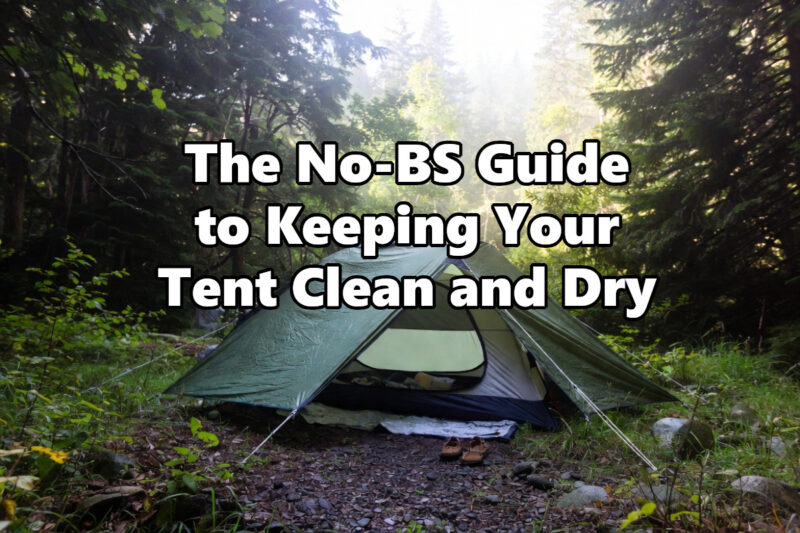
A saggy rainfly is a wet tent. Period. When you pitch your fly, get it taut. Use every guyline your tent came with. They’re not optional accessories. A properly tensioned rainfly creates airspace between itself and the tent body, which is what prevents condensation from transferring to the interior walls.
If your fly is touching the tent canopy anywhere, that contact point is going to wick moisture straight through. Adjust your stakes, tighten your lines, and check the tension after the tent has settled for an hour. Poles shift, the ground softens, and what looked perfect at setup can sag by bedtime.
Breaking Camp: The Part Most People Rush
How you pack up your tent matters just as much as how you set it up. When it’s time to break camp, shake your tent out thoroughly. Turn it upside down, sweep out any dirt or debris, and give it a chance to air dry before you stuff it in its sack.
Now, I’ll be honest. In the PNW, sometimes a fully dry pack-up isn’t happening. If you have to pack your tent wet (and you will at some point), that’s okay. But you need to set it up to dry completely within 48 hours. Mildew is the silent killer of tents. Once it sets in, the smell never fully comes out, and it starts breaking down the fabric and coatings. I’ve seen people throw away $400 tents because they left them packed wet for a week.
When you get home, even if the tent seems dry, unpack it and let it air out in the garage or on a clothesline for a few hours before storing it. Your future self will thank you.
Long-Term Tent Care
A few maintenance habits will extend your tent’s life by years. Reapply DWR (Durable Water Repellent) coating to your rainfly once a season, or whenever you notice water no longer beading on the surface. Products like Nikwax Tent & Gear SolarProof make this a straightforward process.
Store your tent loosely, not compressed in its stuff sack. Long-term compression breaks down coatings and stresses the fabric. I keep mine hanging in a large mesh bag in the garage. If your tent has an aluminum pole set, store the poles assembled or loosely connected to reduce stress on the shock cord.
If your tent does get dirty, clean it with a gentle, non-detergent soap and lukewarm water. Never put a tent in a washing machine, and never use bleach or harsh chemicals. Rinse it thoroughly and let it dry completely before storing.
Invest in Quality Gear
I live by the “cry once, buy once” philosophy, and it applies to tents more than almost any other piece of gear. A quality tent with factory-taped seams, a well-designed rainfly, and proper ventilation will keep you dry for a decade or more if you take care of it. A cheap tent might save you money up front, but you’ll be replacing it in two seasons, or worse, you’ll be miserable on a trip that should have been great.
That doesn’t mean you need to spend a fortune. It means doing your research, reading honest reviews, and understanding what features actually matter for the conditions you’ll be camping in. For Pacific Northwest camping, prioritize waterproofing, ventilation, and a full-coverage rainfly over weight savings or flashy features.
The Bottom Line
Keeping your tent clean and dry isn’t complicated, but it does require intentionality. Seal your seams, choose your campsite carefully, use a properly sized footprint, ventilate even in the rain, enforce the no-shoes rule, and never store your tent wet. These are habits, not hacks. And once they’re second nature, you’ll spend less time fighting your gear and more time enjoying the trail.
Take care of your tent, and it’ll take care of you. That’s been true for every mile of the 40+ years I’ve spent in the backcountry.
Got a tent care trick I missed, or a horror story about a soggy night in the backcountry? Drop it in the comments or shoot me an email at cliff@10toestravel.com. I love hearing from fellow trail junkies.
Happy trails,
Cliff